Classical Theology for the Modern Mind
Trueman argues that classical theology isn't an import into confessional Protestantism but its own forgotten inheritance — and shows why doctrines like divine simplicity and impassibility still matter for worship, suffering, and the creeds churches already claim.
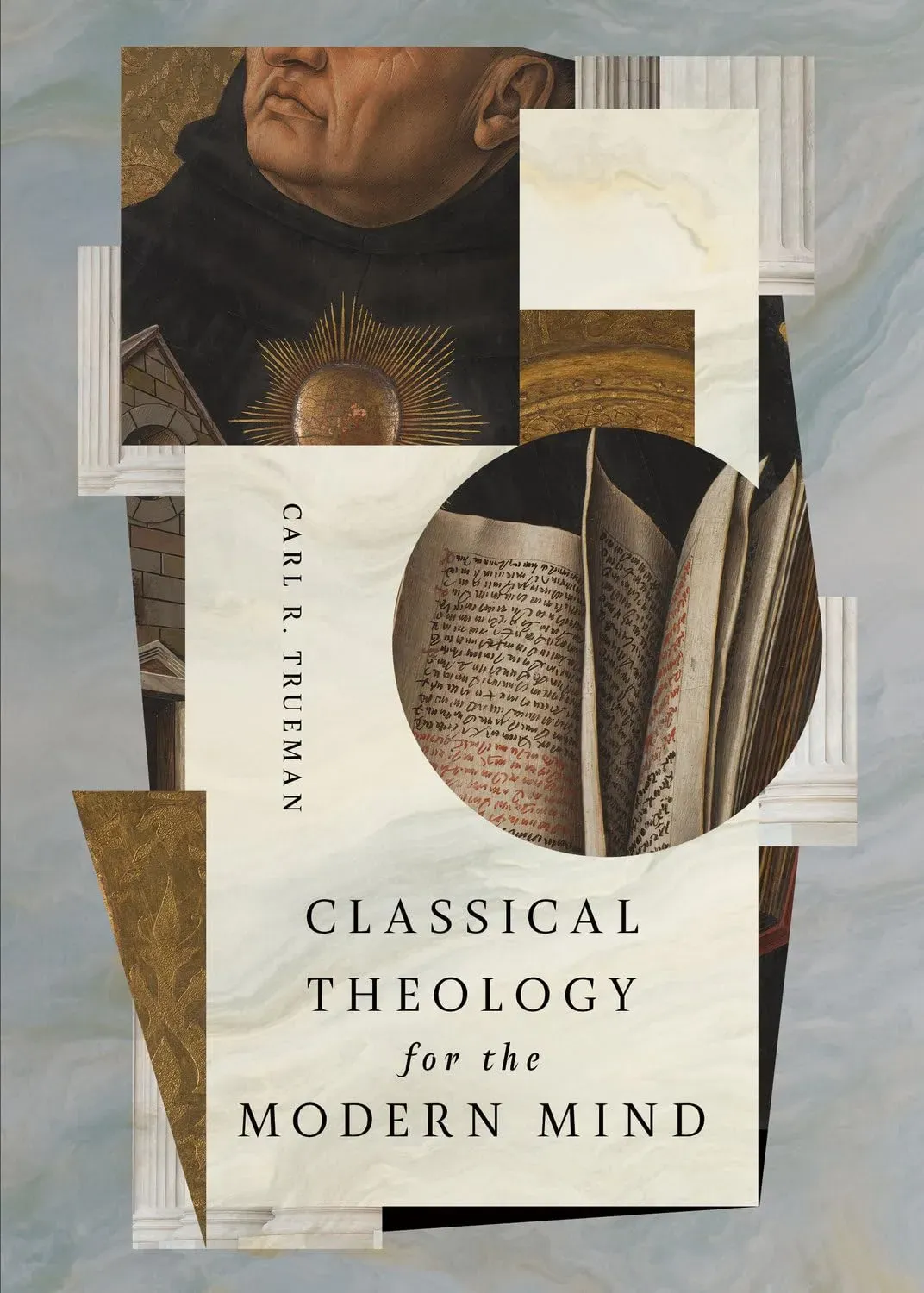
Ask a Reformed pastor whether he affirms the Westminster Confession's teaching about God and he will probably say yes without hesitation. Ask him what it means for God to be "without body, parts, or passions," or why the confession says the Son is "eternally begotten" rather than made, and the confidence may fade. Carl Trueman's Classical Theology for the Modern Mind begins with that gap. His argument is not that confessional Protestants need to import something foreign called classical theism. It is that they already claim to believe these doctrines in the confessions they sign—Trinity, divine simplicity, immutability, impassibility—but many have lost sight of what those commitments actually mean.
The book grew out of a 2023 lecture and is short: an introduction, five chapters, and a conclusion. By classical theology Trueman means the church's historic teaching about God and Christ, and his burden is that recovering it is recovery, not innovation. He draws on a newer body of scholarship on the early church—the work of R. P. C. Hanson, Lewis Ayres, and Khaled Anatolios—which has replaced the simple story of Athanasius standing alone at Nicaea with something slower, more contested, and more human. A parallel line of scholarship on the Reformation itself (Oberman, Steinmetz, Muller) shows the Reformers developing medieval categories rather than discarding them. Together these arguments give Trueman a strong answer to the suspicion that caring about creeds compromises sola scriptura: "Scripture alone" never meant building theology without help from the creeds and teachers Scripture itself governed.
Two chapters stand out. In the third, on ecumenical implications, Trueman suggests that agreement about the doctrine of God, not just agreement about salvation, was historically the deeper marker of orthodoxy—Athanasius and John Owen both treated error about God as more serious than disagreement about soteriology—and then candidly writes that what this means in practice for ecumenism "is not immediately obvious to me." The honesty is refreshing even where the answer is unfinished. In the fourth chapter, on pastoral application, the book reaches its strongest ground. Trueman takes the hardest objection to divine impassibility head on: does a God who cannot suffer seem cold? He lets Moltmann's picture of a suffering God make its emotional appeal first, then answers through J. Todd Billings, a theologian writing with terminal cancer, who says he needed to know not that God suffered alongside him but that God's covenant love was steady enough that "suffering and death lose their dominion over my life." Along the way Aquinas supplies the book's best explanation of immutability: God is not unchanging because he has less life than we do, but because he possesses life so fully that nothing can be added to him.
The fifth chapter, on worship, shows where the project's affections lie. Trueman walks through apophatic theology—describing God by what he is not—and closes with two devotional prayers from the tradition, including Angela of Foligno's address to the God who "made yourself touchable to us." The point lands well: technical vocabulary like ousia and hypostasis was never meant to stand apart from worship, and in this book it doesn't.
One caution belongs in any honest account of the book: it is a compact essay rather than a full treatment. Readers already familiar with debates like Eternal Functional Subordination may find that section asserted more than argued, and those hoping for the practical payoff of the ecumenical argument will have to wait for someone else to work it out. The book also assumes its reader is not new to the subject; terms like homoousios appear without much scaffolding, so this is not the place to meet the doctrine of God for the first time.
Within those limits, though, the book does something genuinely useful. It takes doctrines that can sound like scholastic hairsplitting and shows they were never separable from the confessions Reformed churches already claim, or from the worship they already practice. It will serve pastors, seminary students, and serious lay readers who want to understand the theological inheritance behind their confessions and see how classical doctrines connect to comfort in suffering and to worship on Sunday morning. As a concise, readable entrance into the retrieval of classical theology, it is a helpful place to begin.